
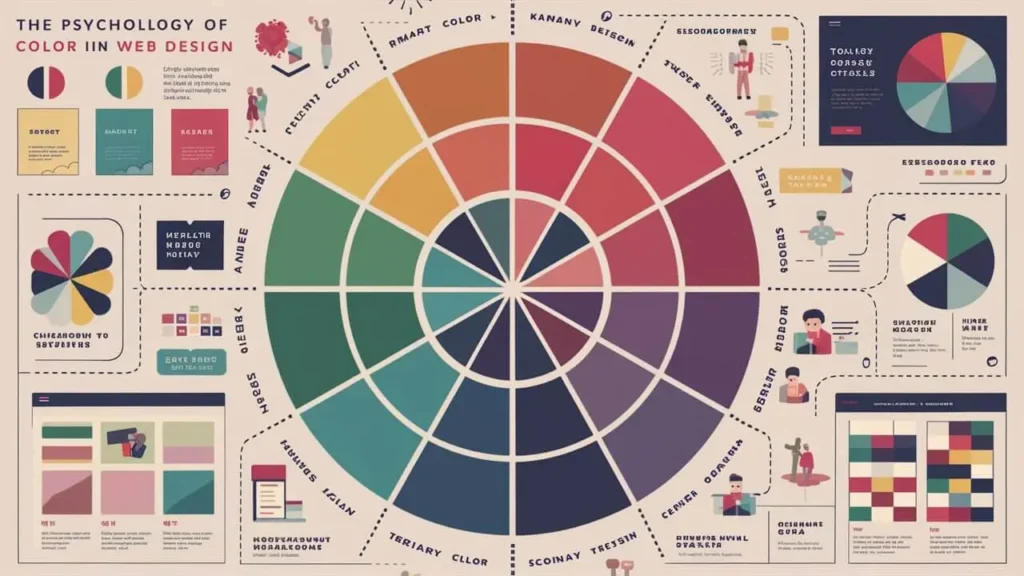
In the world of web design, every choice matters. From layout to typography, each element plays a crucial role in shaping the user experience. One of the most impactful yet often overlooked aspects is color. The psychology of color in web design can significantly influence how visitors perceive a website, impacting their emotions, behaviors, and ultimately, their decisions. Let’s delve into the fascinating world of color psychology and its application in web design.
Understanding Color Psychology
The Basics of Color Psychology
Color psychology is the study of how colors affect human behavior and emotions. It explores the psychological effects of different hues and shades on individuals, influencing their perceptions and responses.
Emotional Impact of Colors
Different colors evoke distinct emotions and associations. For example, red is often associated with passion, energy, and urgency, while blue conveys trust, calmness, and professionalism. Understanding these emotional triggers is essential for effective web design.
Cultural and Contextual Influences
It’s crucial to consider cultural and contextual factors when choosing colors for a website. Colors can carry different meanings and symbolism across cultures, so what resonates with one audience may not necessarily resonate with another.
Applying Color Psychology in Web Design
Choosing the Right Color Palette
Selecting the perfect color palette for a website involves more than just picking visually appealing hues. It requires an understanding of the target audience, brand identity, and desired emotional response. A harmonious combination of colors can enhance user experience and reinforce brand messaging.
Creating Visual Hierarchy
Color can be used to create visual hierarchy and guide users’ attention to key elements on a webpage. By strategically using color contrasts and gradients, designers can draw focus to calls-to-action, important information, or navigation menus.
Establishing Brand Identity
Colors play a significant role in brand identity and recognition. Consistent use of brand colors across all touchpoints helps reinforce brand identity and fosters trust and familiarity among users.
Improving Readability and Accessibility
Color choices also impact readability and accessibility, particularly for users with visual impairments. Designers must ensure sufficient color contrast and provide alternative text for users who rely on screen readers.
The Psychology of Color in Web Design: FAQs
- Do colors have universal meanings?
- While certain colors may have broad associations, individual experiences and cultural backgrounds can influence how people interpret them.
- Which colors are best for promoting trust and reliability?
- Colors like blue and green are often associated with trustworthiness and reliability, making them ideal for businesses in finance, healthcare, and technology.
- Can color choices affect conversion rates?
- Yes, studies have shown that the strategic use of color can influence conversion rates on websites by creating a sense of urgency, trust, or desire.
- How can I choose the right color palette for my website?
- Consider your target audience, brand personality, and the emotions you want to evoke. Test different color combinations to see which resonates best with your users.
- Should I use bright or muted colors for a professional website?
- It depends on your brand and industry. While bright colors can convey energy and creativity, muted tones may be more appropriate for industries like law or finance.
- Are there any colors to avoid in web design?
- Colors that clash or create poor contrast should generally be avoided, as they can make text difficult to read and diminish the overall user experience.
Incorporating the principles of color psychology into web design can elevate the user experience and drive meaningful engagement. By understanding the emotional impact of colors and applying them strategically, designers can create websites that resonate with their audience on a deeper level. Remember, every color choice sends a message, so choose wisely to make a lasting impression.