

Mastering On-Page SEO for Better Rankings is like mastering the art of cooking—a pinch of this, a dash of that, and voilà, your website becomes a gourmet dish for search engines to feast on. But how exactly do you whip up this SEO delicacy? Fear not, dear reader, for I shall guide you through the flavorful world of on-page SEO, sprinkled with humor, knowledge, and a dash of quirkiness.
Unveiling the SEO Kitchen
What is On-Page SEO?
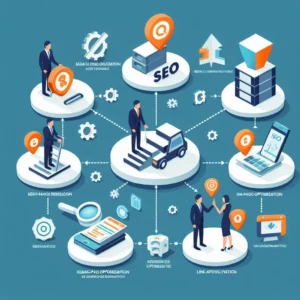
Imagine your website as a sumptuous banquet, and on-page SEO as the secret sauce that makes it irresistible to search engines. It involves optimizing various elements within your website to improve its visibility and relevance to specific keywords. From meta tags to content optimization, every ingredient counts in this recipe for success.
Why Does On-Page SEO Matter?
Ever wondered why some websites hog the limelight on search engine result pages (SERPs) while others lurk in the shadows? That’s the magic of on-page SEO. By fine-tuning your website’s on-page elements, you signal to search engines that your content is not just delicious but also highly relevant to users’ queries. The result? Better rankings, more organic traffic, and ultimately, more conversions.
Ingredients of On-Page SEO
1. Title Tags: The Flavorful Hook
Think of your title tag as the aroma that draws visitors to your website. Craft it carefully, incorporating your target keyword and a hint of intrigue to entice clicks. For example, instead of a bland “SEO Tips,” spice it up with “10 Insanely Effective SEO Hacks for Skyrocketing Your Rankings.”
2. Meta Descriptions: The Tempting Teaser
Your meta description is the appetizer that gives a sneak peek of what’s to come. Make it compelling, informative, and within the character limit. Think of it as the tantalizing blurb on the back of a book cover—just enough to make readers crave more.
3. Header Tags: The Organized Buffet
Headers organize your content like a well-laid buffet, making it easy for both users and search engines to digest. Use H1 for main headings, followed by H2, H3, and so on, to create a hierarchy of information. This not only improves readability but also signals the importance of different sections to search engines.
4. Keyword Optimization: The Secret Sauce
Keywords are the seasoning that flavors your content. Sprinkle them strategically throughout your copy, but avoid overstuffing. Think of it as seasoning a dish—you want just the right balance for it to be appetizing without overwhelming the palate.
5. Quality Content: The Main Course
Content is king, they say, and for good reason. Serve up high-quality, relevant content that satisfies users’ hunger for information. Whether it’s blog posts, product descriptions, or landing pages, make sure your content is fresh, engaging, and worthy of seconds.
Cooking Up SEO Success: Tips and Tricks
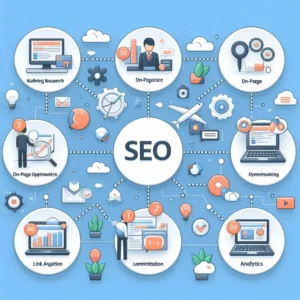
Now that you know the ingredients, let’s fire up the SEO stove and cook up some mouthwatering strategies for better rankings:
1. Speed Up Your Site
Nobody likes a slowpoke, especially not search engines. Optimize your website for speed by compressing images, minifying CSS and JavaScript, and leveraging browser caching. A faster site not only improves user experience but also earns brownie points with search engines.
2. Serve Mobile-Friendly Dishes
In this mobile-first world, your website should be as mobile-friendly as a food truck at a festival. Ensure responsive design, easy navigation, and fast loading times on all devices. Google’s mobile-first indexing means your mobile site is the main course, not just an afterthought.
3. Season Your URLs
Don’t serve up bland, generic URLs. Sprinkle them with keywords and make them descriptive, like savory breadcrumbs leading users straight to your content. For example, instead of “/post123”, go for “/top-10-seo-tips”.
4. Spice Up Your Images
Images not only enhance visual appeal but also offer another opportunity for optimization. Use descriptive filenames and alt tags to give search engines a taste of what your images are about. A picture may be worth a thousand words, but a well-optimized image is worth a thousand clicks.
5. Link Building: The Secret Ingredient
Just as a dish is elevated by the perfect wine pairing, your website benefits from quality backlinks. Cultivate relationships with other websites in your niche and earn those juicy, high-authority links. Remember, it’s quality over quantity—spammy links are like cheap wine, they’ll give you a headache.
Conclusion: Bon Appétit!
Mastering On-Page SEO for Better Rankings is the recipe for success in the ever-evolving world of digital marketing. By optimizing your website’s on-page elements, serving up quality content, and sprinkling in some technical know-how, you’ll be cooking up top rankings in no time. So, roll up your sleeves, sharpen your knives, and get ready to feast on the fruits of your SEO labor. Bon appétit!
FAQs After The Conclusion
1. What is the difference between on-page and off-page SEO?
On-page SEO focuses on optimizing elements within your website, such as content, meta tags, and URLs, to improve search engine visibility. Off-page SEO, on the other hand, involves activities outside your website, like link building and social media marketing, to boost its authority and reputation.
2. How often should I update my website’s content for SEO?
There’s no one-size-fits-all answer to this question, but regularly updating your content signals freshness and relevance to search engines. Aim for a balance between evergreen content that remains relevant over time and timely updates to reflect industry trends and changes.
3. Is keyword density still important for SEO?
While keyword density was once a crucial factor in SEO, search engines now prioritize context and user intent over keyword frequency. Focus on natural language and providing valuable content to users, rather than obsessing over keyword density.
4. Can I over-optimize my website for SEO?
Yes, it’s possible to overdo it with SEO optimization, which can result in penalties from search engines. Avoid keyword stuffing, cloaking, and other black hat tactics that manipulate search engine rankings. Instead, focus on creating a great user experience and delivering valuable content.
5. How long does it take to see results from on-page SEO efforts?
Patience is key in the world of SEO. While some changes may yield immediate results, such as fixing technical issues or optimizing title tags, it often takes time for search engines to crawl and index your updated content. Generally, you can expect to see noticeable improvements within a few weeks to a few months, depending on the competitiveness of your industry and the effectiveness of your SEO strategies.